

We spend a considerable amount of time trying to make ourselves comfortable. We arrange our environments, manage our schedules, establish boundaries and make choices intended to minimise stress and discomfort. And there's certainly nothing wrong with wanting a little more ease in our lives.
But I wonder whether, somewhere along the way, we've become a little too quick to interpret discomfort as a sign that something is wrong.
After all, we don't build physical strength by avoiding resistance. We don't develop new skills without experiencing the awkwardness of being a beginner. And we don't necessarily become wiser by surrounding ourselves with people who always agree with us.
So what if some of the discomfort we experience isn't something to escape, but something to pay attention to?

We don't expect to build strength without some degree of effort or resistance.
Growth Requires a Little Resistance
Think about what happens when we exercise our muscles. When we engage in resistance training, we deliberately place demands on our muscles that challenge their current capacity. This creates microscopic damage in muscle fibres, which the body subsequently repairs and adapts to. With appropriate challenge and recovery, our muscles become stronger.
We don't expect to build strength without some degree of effort or resistance.
There are parallels in other areas of our lives. Learning something new can be frustrating. Receiving constructive criticism can be uncomfortable. Having a difficult conversation can leave us feeling vulnerable. Acknowledging that we've contributed to a problem can be particularly unpleasant.
Yet these experiences can offer opportunities for development.
Intellectual growth sometimes requires us to reconsider what we've always believed. Emotional growth can involve acknowledging feelings we'd rather not experience. Relational growth may require us to listen when we'd prefer to defend ourselves.
None of these experiences is necessarily pleasant, but that doesn't mean they're harmful.

Not all discomfort is beneficial, and we shouldn't confuse personal growth with enduring circumstances that are damaging to our well-being.
Discomfort and Harm Are Not the Same Thing
Of course, there's an important distinction to make here. Not all discomfort is beneficial, and we shouldn't confuse personal growth with enduring circumstances that are damaging to our well-being.
Some discomfort is a warning. Pain can signal injury. Persistent emotional distress may indicate that something needs to change. Fear can alert us to genuine danger. We need to recognise and respect those signals.
But other discomfort arises because we're being challenged, stretched or asked to reconsider something.
Perhaps the difference lies partly in learning to recognise what our discomfort is telling us.
Consider how often we might avoid a conversation because we don't want to experience conflict, dismiss feedback because it makes us feel inadequate, or resist a different perspective because it challenges something we've always believed.
Sometimes we need to protect ourselves. At other times, we might benefit from staying with the discomfort long enough to understand it.
The question isn't whether something feels uncomfortable. It's whether that discomfort is signalling harm or presenting an opportunity for growth.
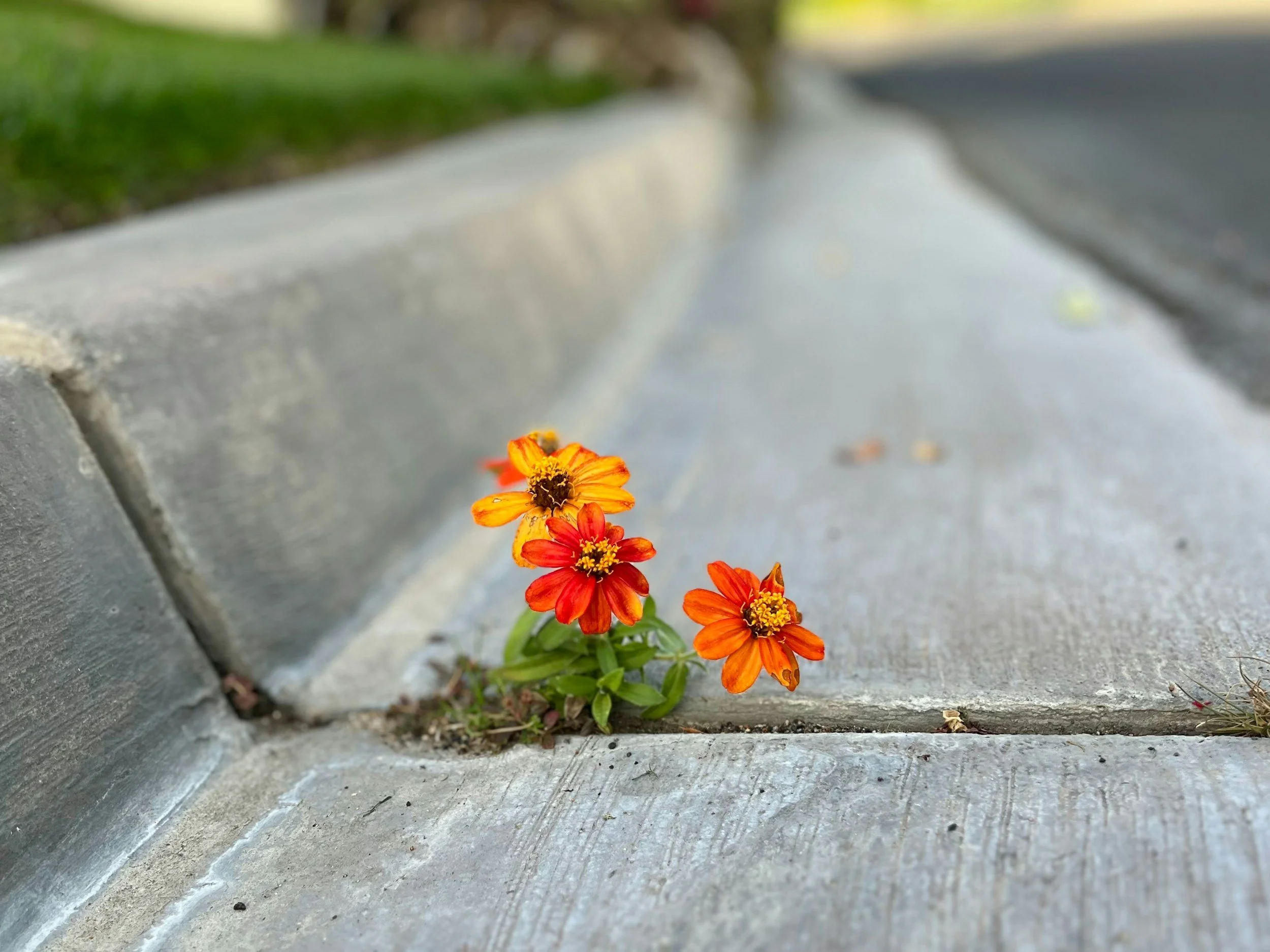
We often associate resilience with the ability to withstand hardship, keep going and pick ourselves up after difficult experiences. But resilience is more than simply enduring.
Resilience Is Developed Through Experience
This brings us to resilience.
We often associate resilience with the ability to withstand hardship, keep going and pick ourselves up after difficult experiences. But resilience is more than simply enduring.
It involves developing the capacity to respond, adapt, recover and find our footing when circumstances challenge us.
We don't necessarily develop resilience by avoiding every difficult experience. We develop it, in part, by discovering that we can navigate challenges, learn from setbacks and draw upon resources we may not have previously recognised.
This doesn't mean we need to tackle everything alone or prove how much we can endure. Sometimes resilience means asking for help, changing direction or recognising that we need to rest.
Just as muscles need recovery to adapt and become stronger, we need time to process our experiences, restore our energy and integrate what we've learned.
Growth isn't about constantly pushing ourselves. It's about finding a balance between challenge and recovery.
Perhaps It's Worth Pausing Before We Retreat
I wonder what opportunities we might be missing when our first response to discomfort is to make it disappear.
What might happen if we allowed ourselves to sit with an unfamiliar feeling, listen to a perspective that challenges us or have a conversation we've been putting off?
We don't have to enjoy discomfort, seek it out or remain in situations that are unhealthy for us. But perhaps we can become more discerning about the experiences we automatically try to avoid.
The next time something feels uncomfortable, perhaps it's worth pausing before deciding what to do about it.
Ask yourself: Is this something I need to step away from, or is this an opportunity to learn something, reconsider something or develop a capacity I haven't yet strengthened?
Not every discomfort is a sign that something is wrong. Sometimes it's simply part of becoming more capable, more aware and more resilient.
Subscribe to future weekly newsletters by clicking here!
I have coached and mentored individuals, and facilitated small groups for over 30 years. I am a strong proponent of walking the walk and talking the talk. When I know something works, I like to pass it on to others!
Go to heatherlynnecoaching.com/workshops for more information and to register for my upcoming workshops or seminars!

About Heather O ‘Reilly
I have coached and mentored individuals, and facilitated small groups for over 30 years. I am a strong proponent of walking the walk and talking the talk. When I know something works, I like to pass it on to others!
Join me and start your journey to spark meaningful change in your life. Discover new strategies and develop good habits by registering for our upcoming workshops at heatherlynnecoaching.com/workshops